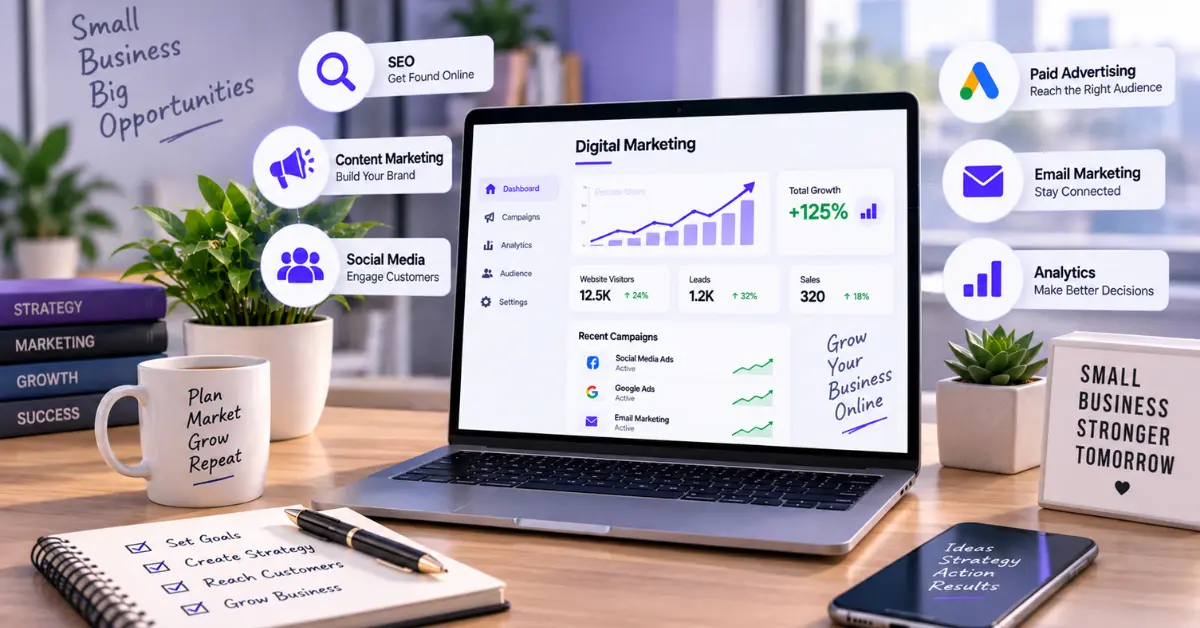
In today’s competitive online world, having a great product or service is only part of building a successful business. Small businesses also need an effective digital marketing strategy to reach potential customers, build awareness, and compete with larger brands.
The good news is that digital marketing does not always require a huge budget. With the right channels, consistent content, and a clear strategy, small businesses can build a strong online presence and reach customers more effectively.
Here are some essential digital marketing strategies every small business should consider.
1. Build a Professional Website
Your website is the foundation of your digital presence. It gives potential customers a place to learn about your business, explore your services, view your work, and get in touch with you.
A good business website should be mobile-friendly, easy to navigate, fast-loading, and focused on your customers’ needs. Clear calls to action such as Get Started, Request a Quote, or Contact Us can also encourage visitors to take the next step.
2. Invest in SEO
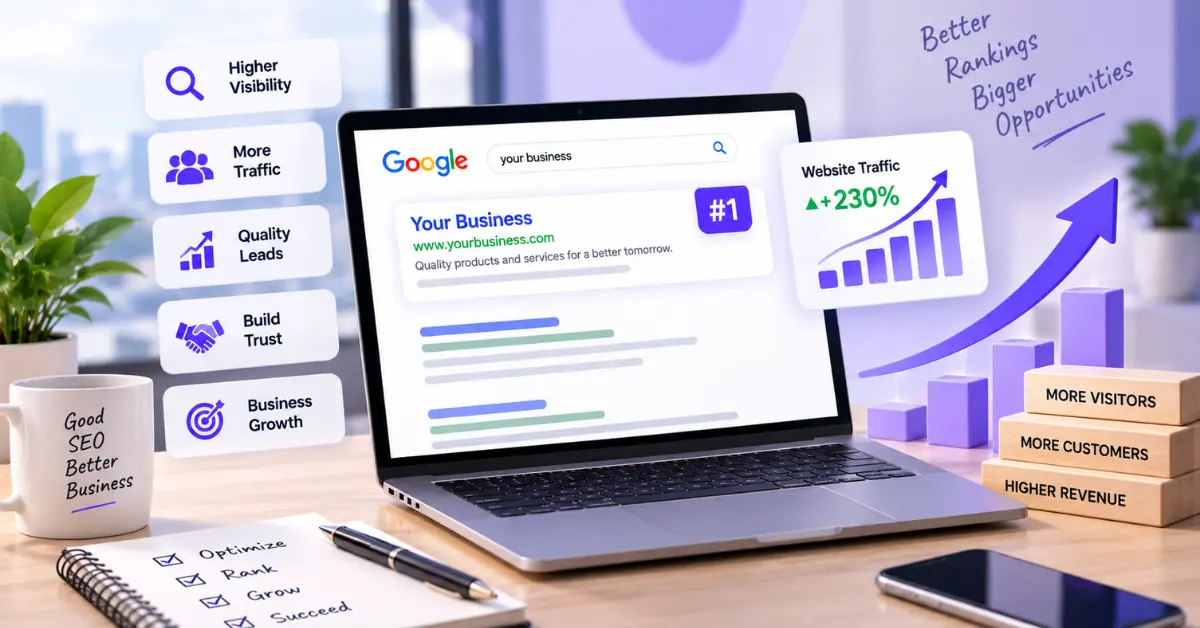
Search Engine Optimization helps your website become more visible when people search for products or services related to your business.
Start by identifying relevant keywords, creating useful content, optimizing important website pages, and improving your site’s technical performance. Local businesses can also focus on local SEO to help nearby customers discover them.
SEO takes time, but consistent optimization can create a valuable source of organic traffic over the long term.
3. Use Social Media Strategically
Social media can help small businesses connect directly with their target audience and increase brand awareness.
Instead of trying to be active on every platform, focus on the channels where your customers are most likely to spend their time. Share useful information, behind-the-scenes content, customer stories, product updates, and educational posts.
The goal should be to build meaningful relationships rather than simply collect followers.
4. Create Valuable Content
Content marketing allows businesses to answer customer questions and demonstrate their expertise.
You can create blog posts, guides, videos, infographics, case studies, or social media content based on the problems your audience wants to solve.
For example, a web design company could publish articles about website trends, SEO, online branding, and improving website conversions. Useful content can attract visitors while building trust with potential customers.
5. Try Paid Advertising
Organic marketing can take time, while paid advertising can help businesses reach a targeted audience more quickly.
Platforms such as search and social advertising allow businesses to target audiences based on factors such as interests, location, search intent, and demographics.
Start with a manageable budget, test different campaigns, and measure the results before increasing your spending.
6. Use Email Marketing
Email marketing is an effective way to stay connected with existing customers and potential leads.
Businesses can use email to share useful content, company updates, special offers, new products, and important announcements.
Building an email list gives you a direct communication channel with your audience instead of relying entirely on social media algorithms or paid advertising.
7. Focus on Local Marketing
For businesses that serve a specific city or region, local digital marketing can be extremely valuable.
Make sure your business information is accurate and consistent online, create location-focused content, and encourage genuine customer reviews.
When someone searches for a service nearby, a strong local presence can make it easier for them to discover and contact your business.
8. Track Your Results
One of the biggest advantages of digital marketing is the ability to measure performance.
Track important metrics such as website traffic, leads, conversions, engagement, search visibility, and advertising performance. These insights help you understand what is working and where improvements are needed.
Instead of spending money based on assumptions, use real data to make better marketing decisions.
9. Build a Consistent Brand
Consistency helps people recognize and remember your business. Your website, social media profiles, advertisements, emails, and other marketing materials should communicate a consistent visual identity and message.
Use consistent colors, typography, imagery, tone, and brand messaging across your digital channels.
A recognizable brand can make your business appear more professional and trustworthy.
10. Stay Consistent
Digital marketing is not a one-time activity. Results usually come from consistent effort and continuous improvement.
Regularly publishing content, optimizing your website, engaging with your audience, reviewing campaign performance, and adapting your strategy can help your business build momentum over time.
You don’t need to do everything at once. Start with the channels that offer the most value for your business and expand gradually.
Conclusion
Digital marketing gives small businesses the opportunity to reach customers, build credibility, and compete in an increasingly digital marketplace.
A professional website, SEO, social media, valuable content, email marketing, paid advertising, and performance tracking can all contribute to a stronger online presence. The key is to choose the right strategies for your audience, set clear goals, and remain consistent.
Start small, measure what works, and keep improving. With the right digital marketing strategy, your small business can create meaningful opportunities for long-term growth.